

Dental Services
Root Canals in Naperville, IL | Root Canal Treatment to Save Your Natural Tooth
Our team at Enamel Theory offers root canals in Naperville, IL, for patients who have tooth infections or damaged pulp tissue, to save the tooth before the damage is severe enough to require an extraction. A root canal treatment is a modern dental procedure that removes infected tissue from the inner chambers of the tooth, then the dentist cleans and shapes the root canals and seals everything to reduce the risk of reinfection.
If you have severe tooth pain, then it’s possible that you might benefit from root canal therapy. This treatment addresses the underlying cause of the pain and eliminates infection within the tooth, helping to preserve the natural tooth instead of removing it.
Determine the best treatment plan for your individual needs by talking with our root canal dentist at Enamel Theory. We have a convenient office located near you in Naperville, IL, with a full range of dental treatments to suit your needs. The good news is that modern tools make root canals fast and easy, so the appointment feels similar to getting a basic dental filling.



What Is a Root Canal and What Does It Treat?
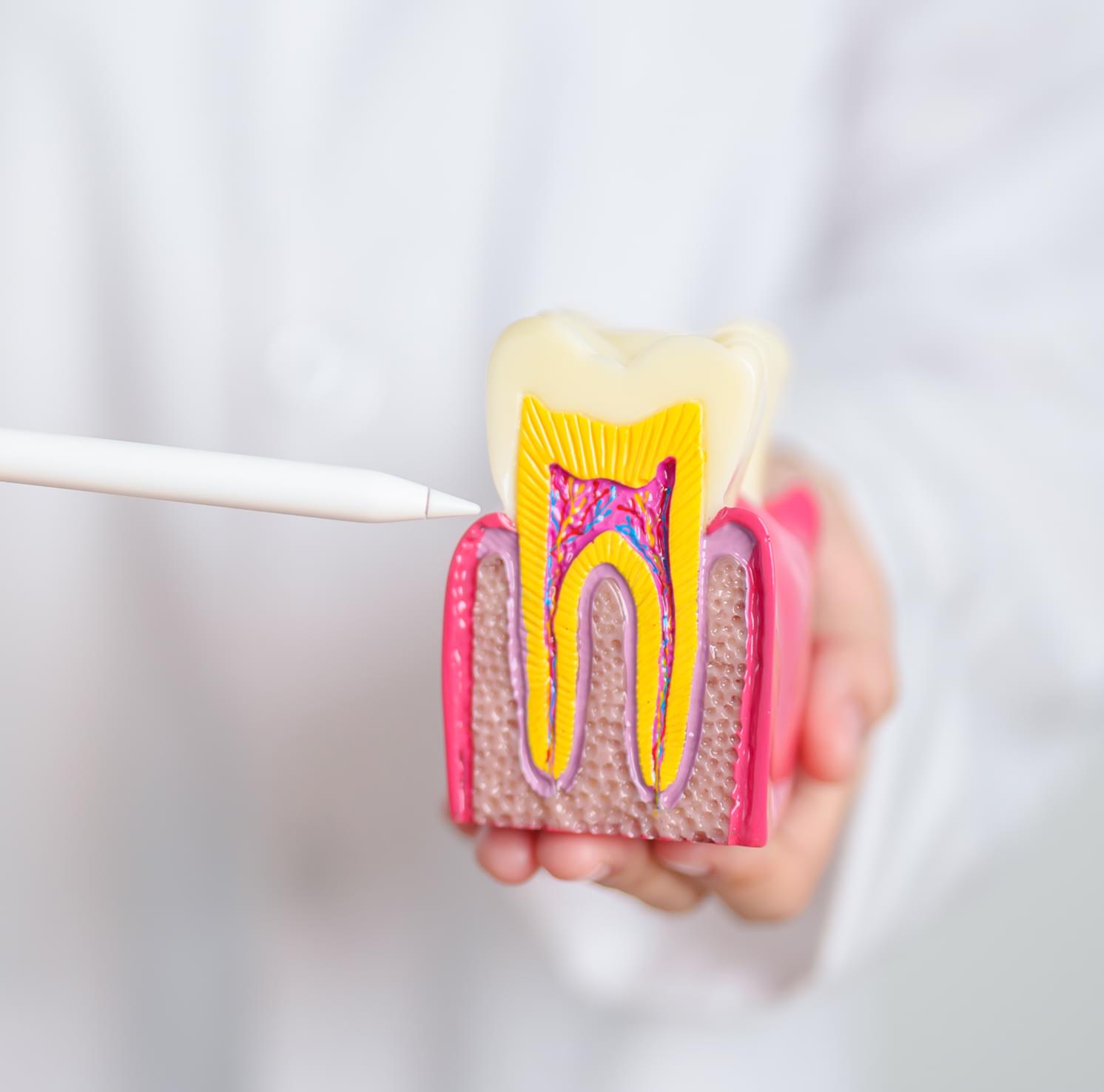
A root canal treatment is a specific procedure that cleans out the interior of the tooth, removing the soft tissue inside, including the nerves, blood vessels, and connective tissue. When an infection reaches the internal part of the tooth, the only way to save the tooth is to remove the infected tissues and seal the remaining structure of the tooth.
An untreated tooth infection won’t heal without professional treatment. Eventually, the infection can move into the surrounding tissue and bone, resulting in more serious complications. A pulp infection can lead to abscess formation and even tooth loss, which is why a root canal is recommended as soon as possible to prevent these complications.
Not only is a root canal necessary, but it’s also common to strengthen the remaining structure with a dental crown. This restoration preserves the tooth so that you can avoid further damage.
Signs You May Need Root Canal Treatment
The best way to determine if you need an endodontic treatment is by scheduling a consultation at our local office for a personalized diagnosis and treatment plan. Our root canal dentist will use digital imaging to evaluate the extent of the infection, then offer recommendations to eliminate the infection and preserve your smile. Some of the most common reasons why root canals are necessary include:

A severe or persistent toothache that gets worse when eating.
Ongoing sensitivity to hot or cold food and drinks, with sensitivity that sticks around even after you are done eating.
The tooth color changes, and it becomes darker or discolored.
Localized swelling, tenderness, or a pimple-like bump on the gums near the root of the tooth.
Deep decay has spread into the tooth and has reached the pulp.

What Is Endodontic Therapy and How Does It Differ from a Standard Filling?
-
While a standard dental filling can be used to treat decay in the enamel and dentin, endodontic therapy is necessary when the pulp and root canal system of the tooth is affected. Dental fillings are for smaller sections of decay or damage on the outer surfaces of the tooth; root canals reach deeper into the tooth.
-
Different treatment methods are used. Not only does the dentist drill into the tooth for a root canal (similar to a basic cavity filling), but then specialized tools are used to clear the pulp and soft tissue out from the roots of the tooth. Then, the inside of the tooth must be cleaned and sealed, followed by the placement of root canal fillings so there are no empty spaces left within the tooth.
-
Finally, most root canal teeth are topped with a dental crown to protect the portion of the tooth that remains.

Sedation Options for Root Canal Treatment at Enamel Theory
If you are feeling anxiety about an endodontic treatment or any other intensive dental treatment, then sedation is a great option to consider. With sedation endodontics, you will feel relaxed in the dental chair because medications are used to reduce anxiety and improve your comfort.
Additionally, we always use local anesthesia so the treatment area is completely numb. Rest assured knowing that your comfort is our priority, which is why our team at Enamel Theory is here to help with sedation and more.


The Root Canal Procedure at Enamel Theory: Step-by-Step

We begin with an exam and digital X-rays to assess the infection and the root anatomy.
Local anesthesia is used to numb the tooth and surrounding tissues.
The tooth is isolated using a dental dam, which helps to prevent the infection from spreading.
A small opening is drilled into the crown of the tooth so the dentist can reach the pulp chamber.
Infected pulp is removed, and all of the canals are cleaned, shaped, and disinfected.
The canals are sealed, and a filling is placed in the open areas of the tooth.
The final restoration is typically a dental crown that preserves the tooth long-term.
Most root canals can be completed in one appointment, but sometimes it’s necessary to have two visits (depending on the severity of the infection).
FAQs
Frequently Asked Questions About Root Canals
We always use local anesthesia, so you won’t feel any pain during the treatment. It’s normal to have a bit of discomfort for a few days after the treatment, but over-the-counter pain medications can be used.
Most root canal appointments can be completed in 60 to 90 minutes. Severe infections may require a second appointment.
If a tooth needs a root canal and the treatment is delayed, then it could cause the infection to spread and lead to more severe complications (such as tooth loss and bone loss).
In most cases, yes. A dental crown is recommended after root canal therapy.

Schedule a Root Canal Consultation in Naperville, IL
If you have been told that you need root canal treatment, then Enamel Theory is the team to call. We are located close to you in Naperville and serve all of the local communities in the surrounding areas. Call our office or fill out an appointment request online to schedule your consultation.